

Why We Did This Study
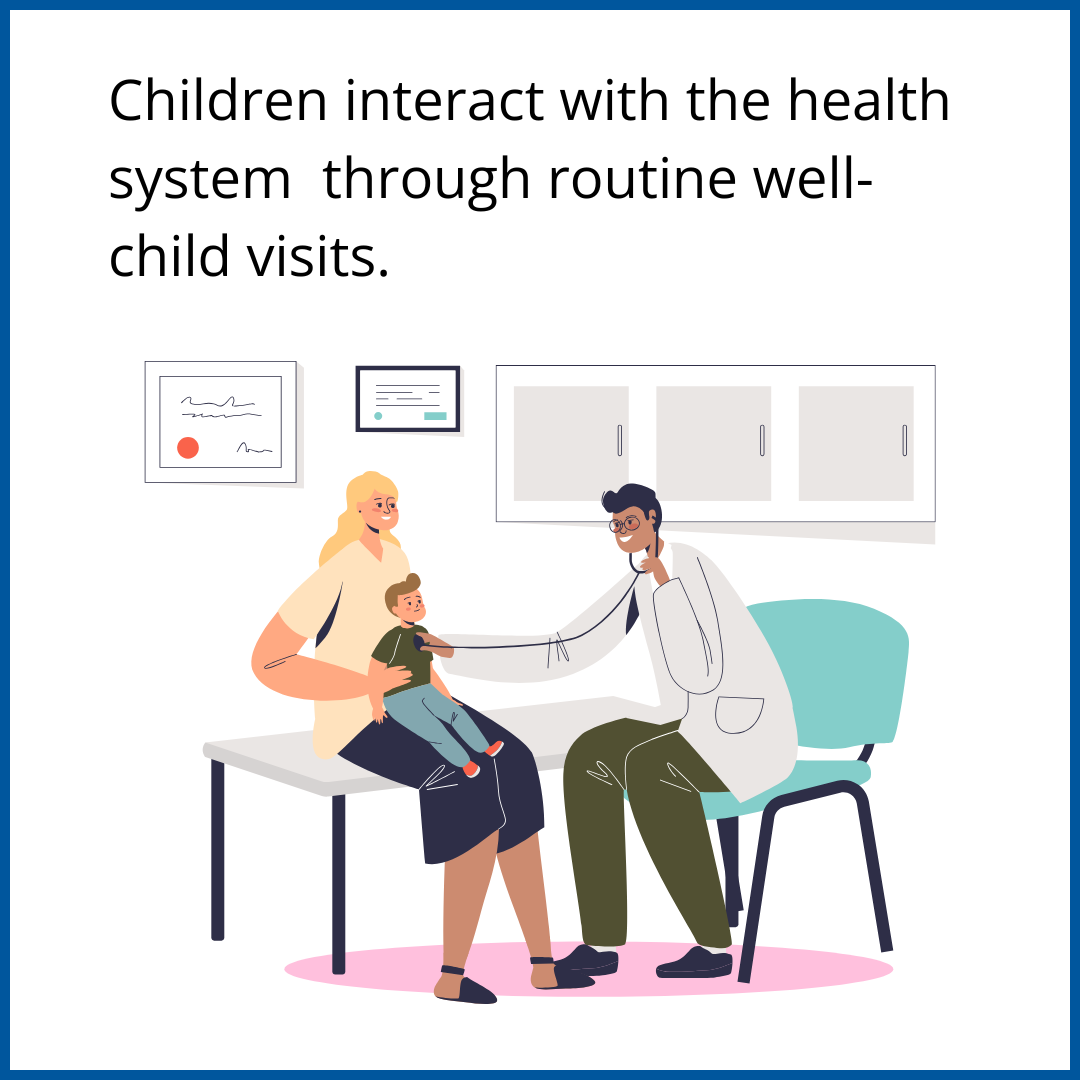
Early identification of autism can help children and families access evaluation, services, and support sooner. Pediatricians routinely screen toddlers for autism during 18- and 24-month well-child visits using a caregiver questionnaire called the Modified Checklist for Autism in Toddlers, Revised with Follow-Up (M-CHAT-R/F). While this screening tool is helpful, researchers are developing new digital approaches to improve the consistency and accuracy of early autism identification.
As part of Duke’s NIH Autism Center of Excellence research program, Duke researchers are developing one such approach: an artificial intelligence (AI)-based tool that uses information already collected in a child’s electronic medical record to estimate the likelihood of autism. Before tools like this can be used in pediatric primary care, it is important to understand how clinicians and caregivers want the information presented and used. We conducted this study to learn their preferences and use that information to guide the design of the tool.
This study is part of a larger Duke Autism Center for Excellence research project exploring AI-based clinical prediction models that analyze information already contained in the electronic health record to estimate a child's likelihood of autism and support earlier identification.
Who Participated
We observed a total of 17 well-child visits for children ages 18- to 24-months at Duke Health primary care clinics to better understand how autism screening is conducted. We then interviewed eight clinicians and 20 caregivers after the visits. We asked about:
- how autism screening fits into routine well-child visits
- how technology is currently used in the clinic
- challenges with current autism screening
- what information and design features would make a digital autism detection tool more useful for clinicians and families
What Were the Results
We identified key points during 18- and 24-month well-child visits where a digital autism detection tool could support clinicians and families. Clinicians and caregivers wanted the tool to provide clear, easy-to-understand information about a child’s likelihood of autism, along with practical guidance about what to do next when concerns were identified.
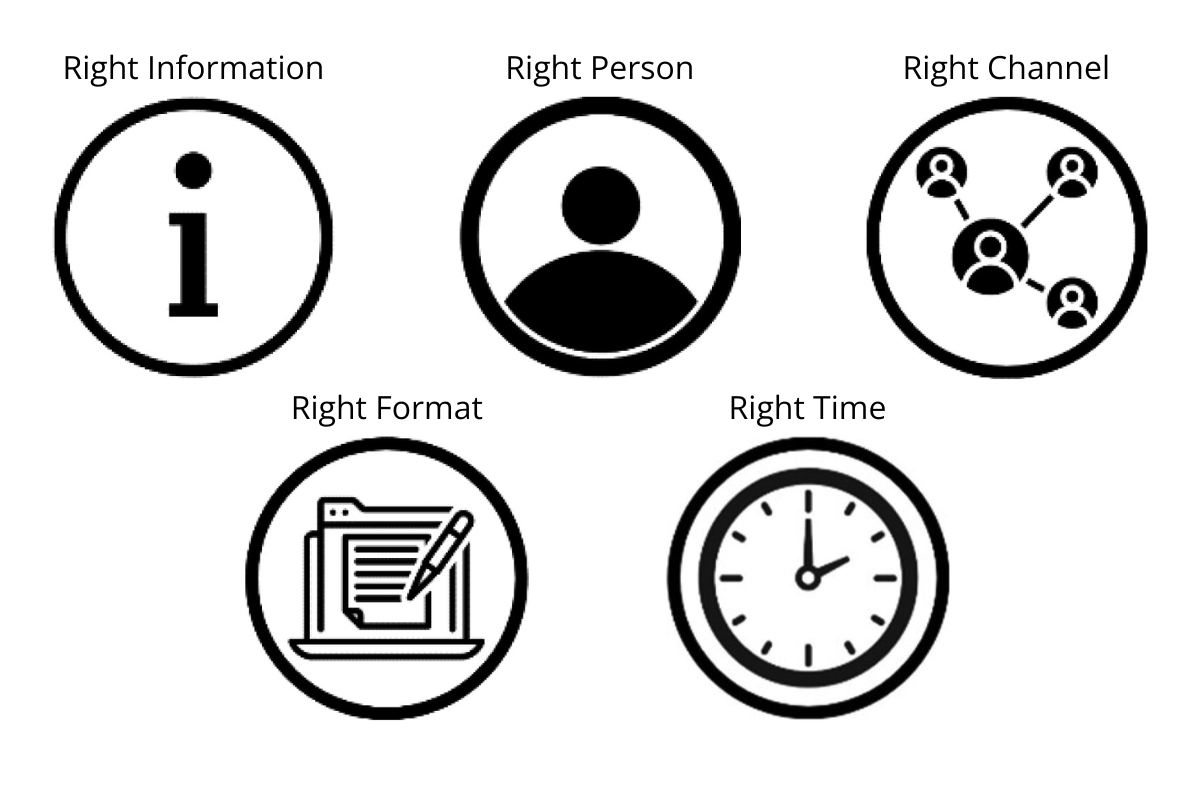
Participants also emphasized that timing matters. Information should be available when it can support conversations between the clinicians and caregivers during the visit. Caregivers wanted simple summaries of the results and educational resources they could review after the appointment. The tool should provide the right information to the right people, in a way that is easy to understand and at a time when it can help guide care.
What Do These Results Mean
These findings will help researchers design AI-based tools that fit naturally into pediatric care and support conversations between clinicians and families. By incorporating feedback from both caregivers and clinicians, these tools can provide clear, understandable information and practical guidance about next steps when developmental concerns are identified. Thoughtful design may help families better understand screening results and connect with evaluation and services sooner when needed.
Read more about the study published in JAMIA Open.
Adesuwa Emovon, Lauren Driggers-Jones, Matthew Engelhard, Gary Maslow, Geraldine Dawson, Benjamin A Goldstein, Lauren Franz, Understanding end-user contexts and identifying design preferences of an artificial intelligence-based clinical decision support tool for early autism detection, JAMIA Open, Volume 9, Issue 4, August 2026, ooag145, https://doi.org/10.1093/jamiaopen/ooag145