
Intro Text

The Important Role of Psychiatrists in Meeting the Needs of Autistic Children and Adults
When people think of supportive services for autism, they often imagine specially trained teachers, psychologists, social workers, or speech and occupational therapists.

Improving Medical Care for Autistic Patients in the Duke University Health System and Beyond
Going to the doctor can be stressful for anyone.

Trainee Spotlight: Helen Root, PhD
A Well-Rounded Experience in Assessment, Intervention, & Supervision to Better Serve Families

Trainee Spotlight: Adesuwa Emovon, MMCi
Clinical Research that Improves Access to Healthcare and Empowers Caregivers


Creating a Neurodiversity-Affirming Environment for Autistic Students at Duke
How can Duke faculty teach in ways that help students on the autism spectrum thrive in the classroom setting?
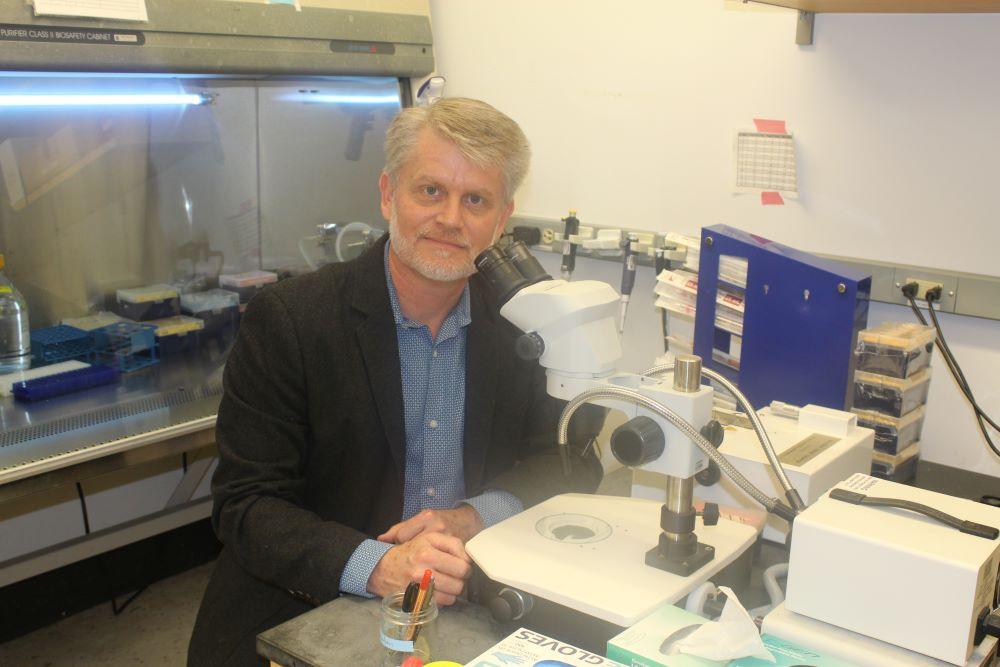
The Molecular Roots of Autism: New Directions and New Methods
Several years ago, a young child and his parents came to the Duke Center for Autism and Brain Development asking for help.
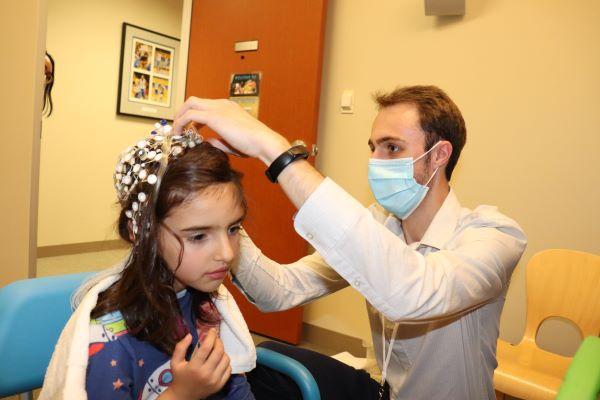
Ongoing NIH study Leveraged to Understand the Impact of the COVID-19 Pademic on Autistic Youth
Traditionally, clinicians make a diagnosis of autism using scientifically validated behavioral assessment tools that rely on observing child behaviors and parent report.
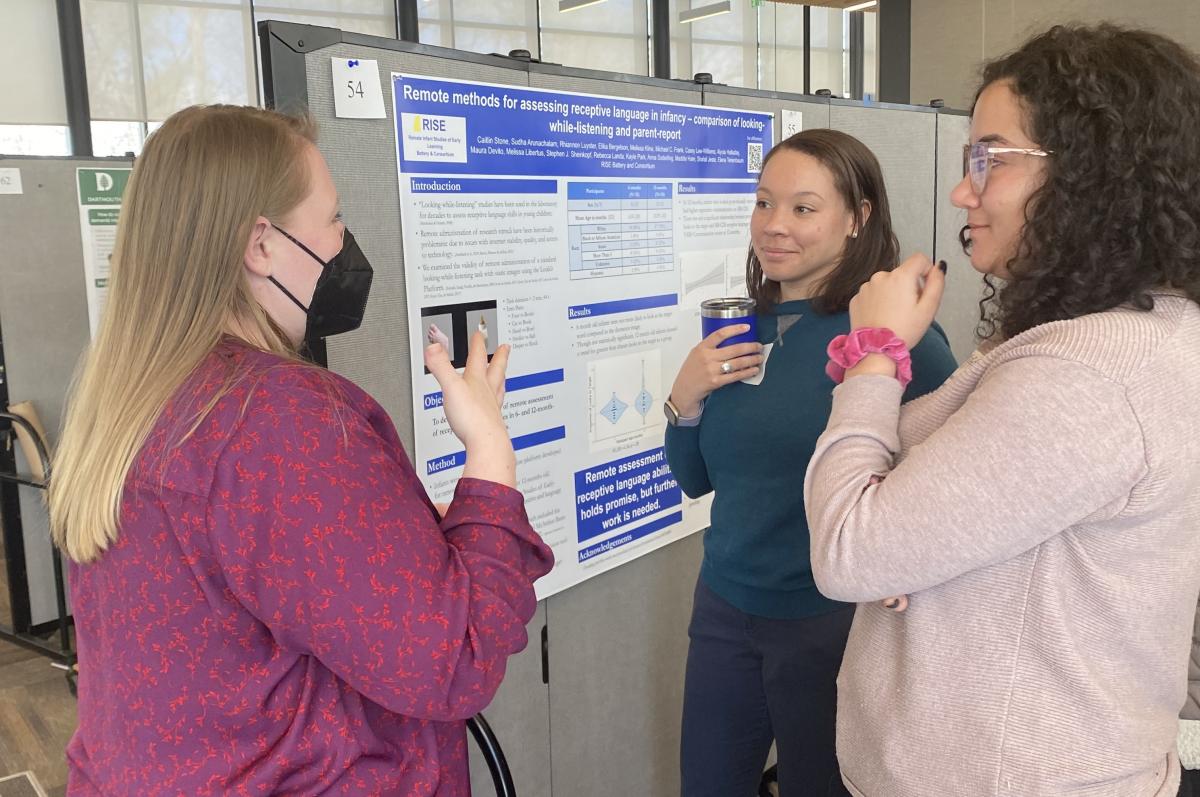
Duke Hosts Inaugural Meeting on Language in Autism
Elena Tenenbaum, PhD, assistant professor of psychiatry and behavioral sciences and faculty member at the Duke Center for Autism, has had a long-standing fascination with how child
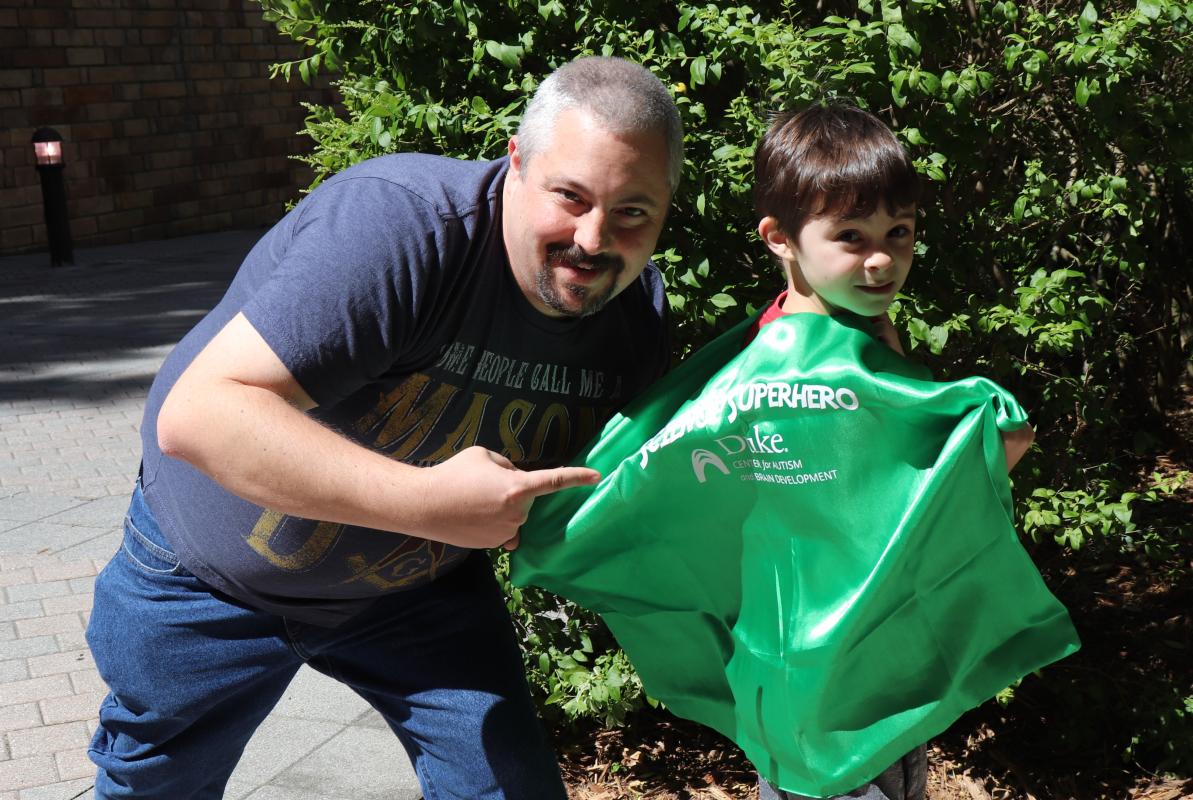
Understanding the Overlap Between Autism, Attention Deficit Hyperactivity Disorder (ADHD), and Anxiety
Autistic traits vary from person to person, impacting how individuals are identified as being autistic and when they receive their diagnosis, and they can also influence how individuals respond to